
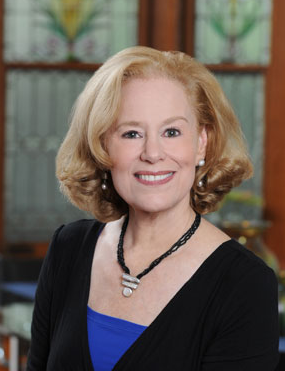
Kathleen Gerson
Connect with Kathleen
About Kathleen
Gerson is a recognized authority on the the intertwined revolutions in gender, work, and family life. Her books and articles draw on in-depth interviewing and quantitative techniques to uncover the ways personal experiences and unfolding biographies intersect with social institutions in flux to shape the contours of social and individual change as people grow to and through adulthood and strive to fashion commitments to paid work and family life. She is an award-winning author of numerous books & articles, and is currently at work on a book that examines workers' & parents' emerging responses to the deepening collisions between work & caregiving in the new economy.
Contributions
Lessons from the Pandemic for U.S. Work and Family Policy
In the News
Publications
Explores how the COVID-19 pandemic's disruptions—such as remote work and the closure of schools—affected parents' views on work-family balance. Finds that parents with specialized or egalitarian views generally maintained their satisfaction, while those with individualistic views saw changes in satisfaction, particularly among women.
Investigates how the COVID-19 pandemic, which disrupted traditional childcare and work arrangements, impacted the division of household labor in heterosexual dual-earner couples. Finds that while the pandemic allowed some couples to adopt a more egalitarian approach to domestic labor, most couples continued to experience persistent gender inequality. Suggests that while structural changes can drive shifts in household labor division, they are effective only if supported by cultural beliefs that make gender equality desirable.
Examines how workers and parents are navigating new conflicts and insecurities resulting from widespread social shifts. Identifies four emerging work-care strategies, each with its own trade-off. Finds that people are generally most satisfied with an egalitarian approach to work and caregiving, although preferences for equality vary by gender. Suggests that effective social policies should ensure that everyone has the opportunity to achieve a more equal and secure balance between work and caregiving.
Discusses how the rise of women leaders has created new tensions, as organizations continue to rely on measures of individual merit that rest uneasily with feminist values of supporting others & sharing credit.
Examines how the shift to remote work altered responsibilities for domestic labor among partnered couples and single parents. Finds that the closing of schools and child care centers significantly increased demands on working parents in the United States, and in many circumstances reinforced an unequal domestic division of labor.
Explores how evolving family structures, such as single, dual-income, and same-sex parents, are often blamed for societal issues, while the real problem lies in outdated social and economic systems. Offers recommendations for changes in workplace and community practices to create more flexible and supportive environments, helping families thrive and achieve true equality in both work and home life.
Examines how time pressures have become a form of social inequality, creating divisions between the overworked and the underemployed, as well as between different genders and family structures. Argues that the economic system increasingly mismatches the needs of American families, highlighting trends such as demanding jobs and pressures on dual-earner and single-parent families.